
Electric Cars and the Shift to Cleaner Driving
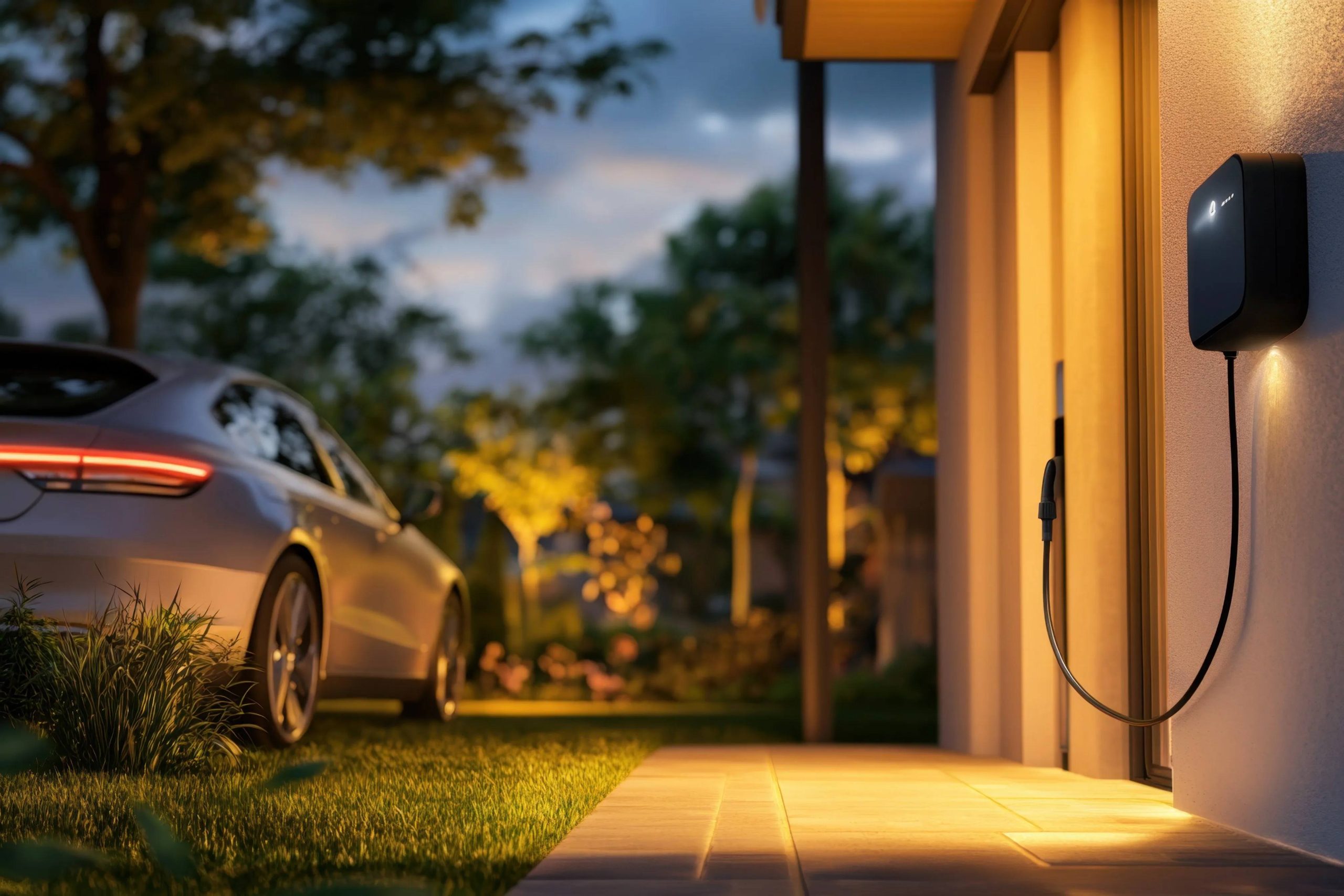
Electric cars are increasingly seen as a practical alternative to petrol and diesel vehicles. With purchase prices now broadly comparable, improved battery performance, and lower running costs, EVs are becoming a more accessible option for drivers looking to reduce emissions without compromising on comfort or usability.
Advances in charging infrastructure and vehicle technology have helped make electric driving more realistic for everyday use.
Electric vs Petrol and Diesel: Cost Comparison
While the upfront cost of an electric car is now similar to many petrol or diesel models, differences often become clearer in day-to-day running costs. Charging an EV at home is typically cheaper than refuelling with petrol or diesel, particularly when combined with a time-of-use energy tariff.
Using off-peak electricity rates can further reduce charging costs. Maintenance expenses are also generally lower, as electric vehicles have fewer moving parts and don't require oil changes, exhaust systems, or traditional engine servicing.
Environmental Benefits of Electric Cars
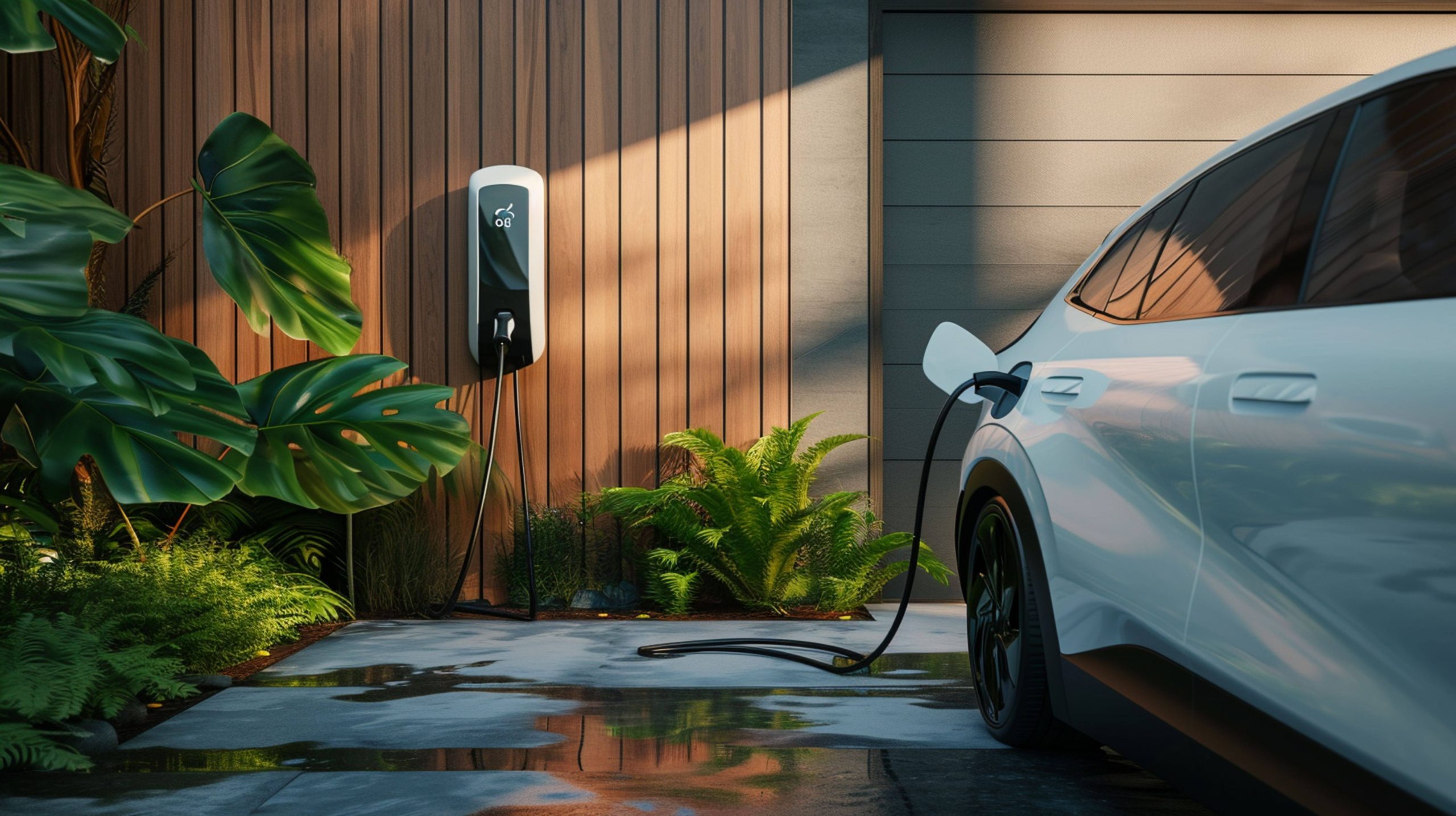
Electric vehicles produce zero tailpipe emissions, which helps reduce local air pollution and overall carbon output. When charged using renewable electricity or during lower-demand periods on the grid, emissions can be reduced even further.
Switching from an internal combustion engine vehicle to an EV can contribute to lower household emissions and supports wider efforts to address climate change.

Battery Performance and Longevity
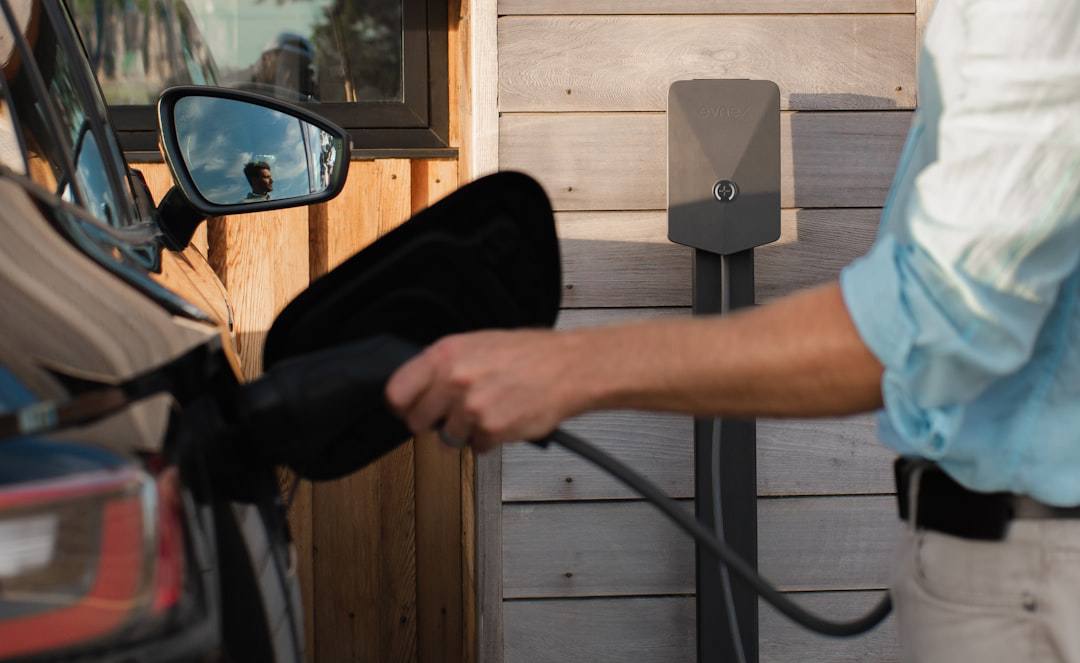
Modern EV batteries are more efficient and durable than earlier generations, supported by improved battery management systems that help maintain performance over time.
The 80/20 Rule
A commonly referenced guideline is the 80/20 rule, which involves keeping the battery charge between 20% and 80% for everyday use. This approach can reduce long-term battery wear and help extend lifespan.
Charging habits also matter. Regular home charging is generally gentler on batteries than frequent use of rapid public chargers, which are better suited to longer journeys rather than daily use.
Charging at Home and Smarter Energy Use
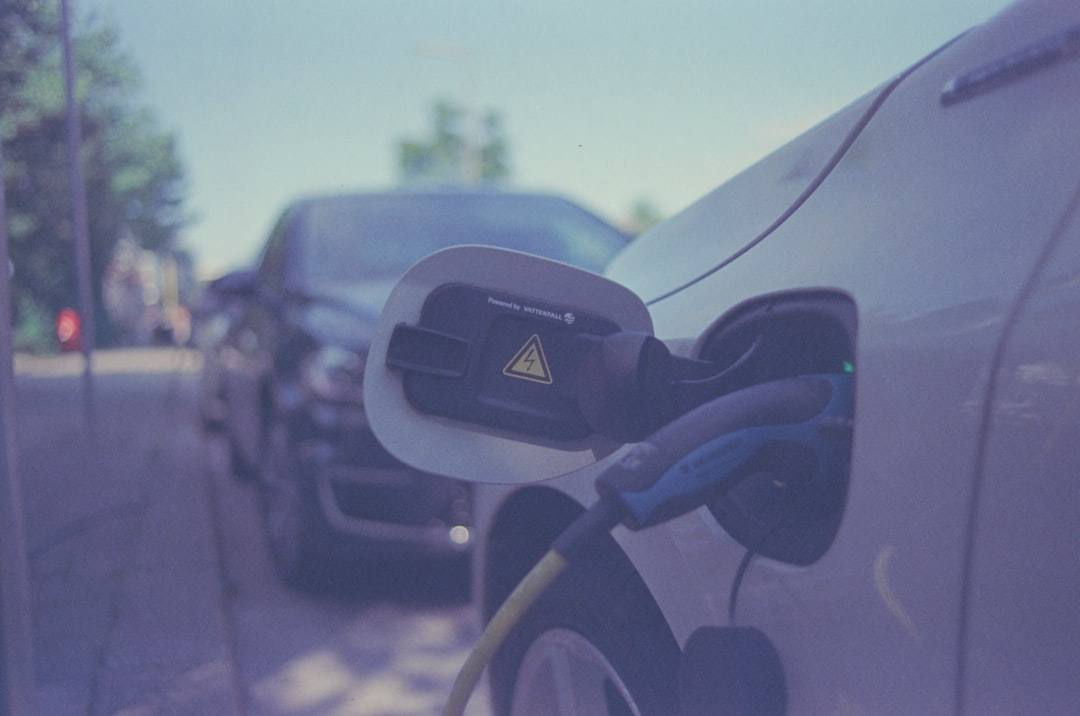
Home charging can make electric vehicle ownership more convenient and cost-effective. When paired with a time-of-use tariff, charging overnight or during off-peak hours can lower costs and reduce strain on the electricity grid.
This approach supports more efficient energy use, helps lower emissions, and makes electric driving easier to manage on a day-to-day basis.
Understanding Whether an Electric Car Is Right for You
Electric cars may not suit every driver or lifestyle, but they continue to play an increasing role in reducing emissions and improving transport efficiency. Understanding costs, charging options, and battery care is key to making informed decisions about electric vehicles.