
Heat Pumps for a More Sustainable Home
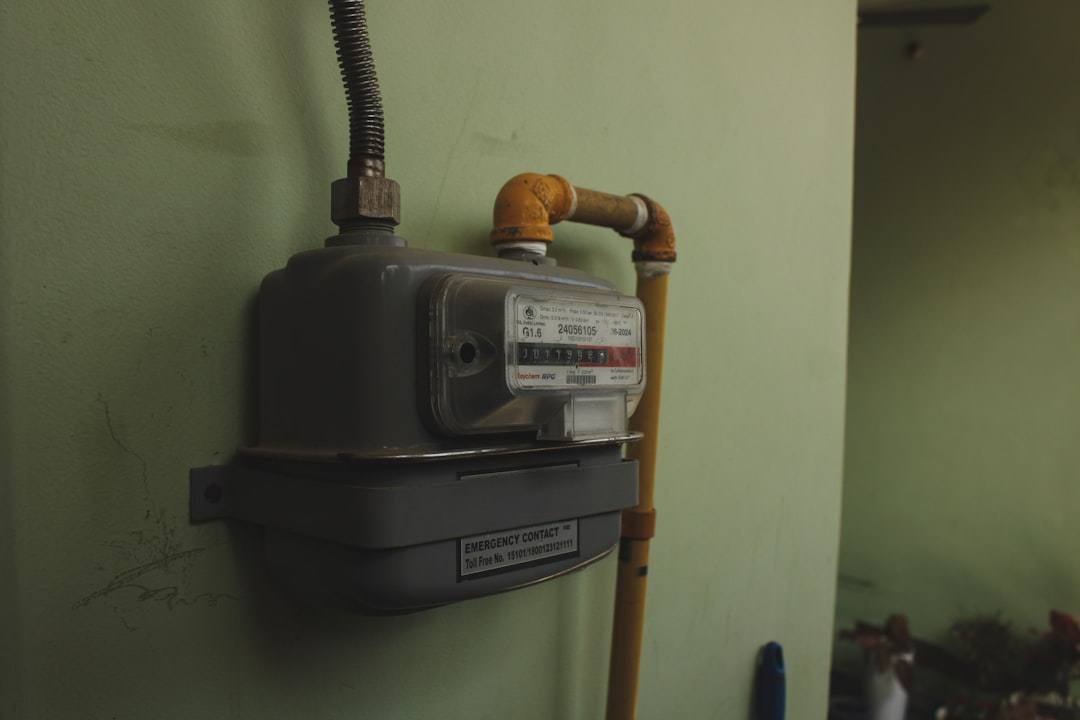
Heat pumps are an increasingly popular option for households looking to reduce emissions, lower energy use, and move away from fossil fuels. They offer an efficient and environmentally friendly way to heat homes while supporting a more sustainable lifestyle.
Unlike traditional heating systems, a heat pump transfers heat from the outside air and uses it to warm indoor spaces and hot water. Because it moves heat rather than creating it, the system can deliver high efficiency while using less energy overall.
How Heat Pumps Work
Air source heat pumps extract warmth from the air, even during colder weather, and raise it to a temperature suitable for heating a home. This makes them a viable alternative to gas or oil systems, particularly for people concerned about climate change and long-term energy costs.
By running on electricity and using renewable heat from the air, heat pumps can significantly reduce carbon emissions while maintaining comfort throughout the year.
The Daikin Altherma 3 System
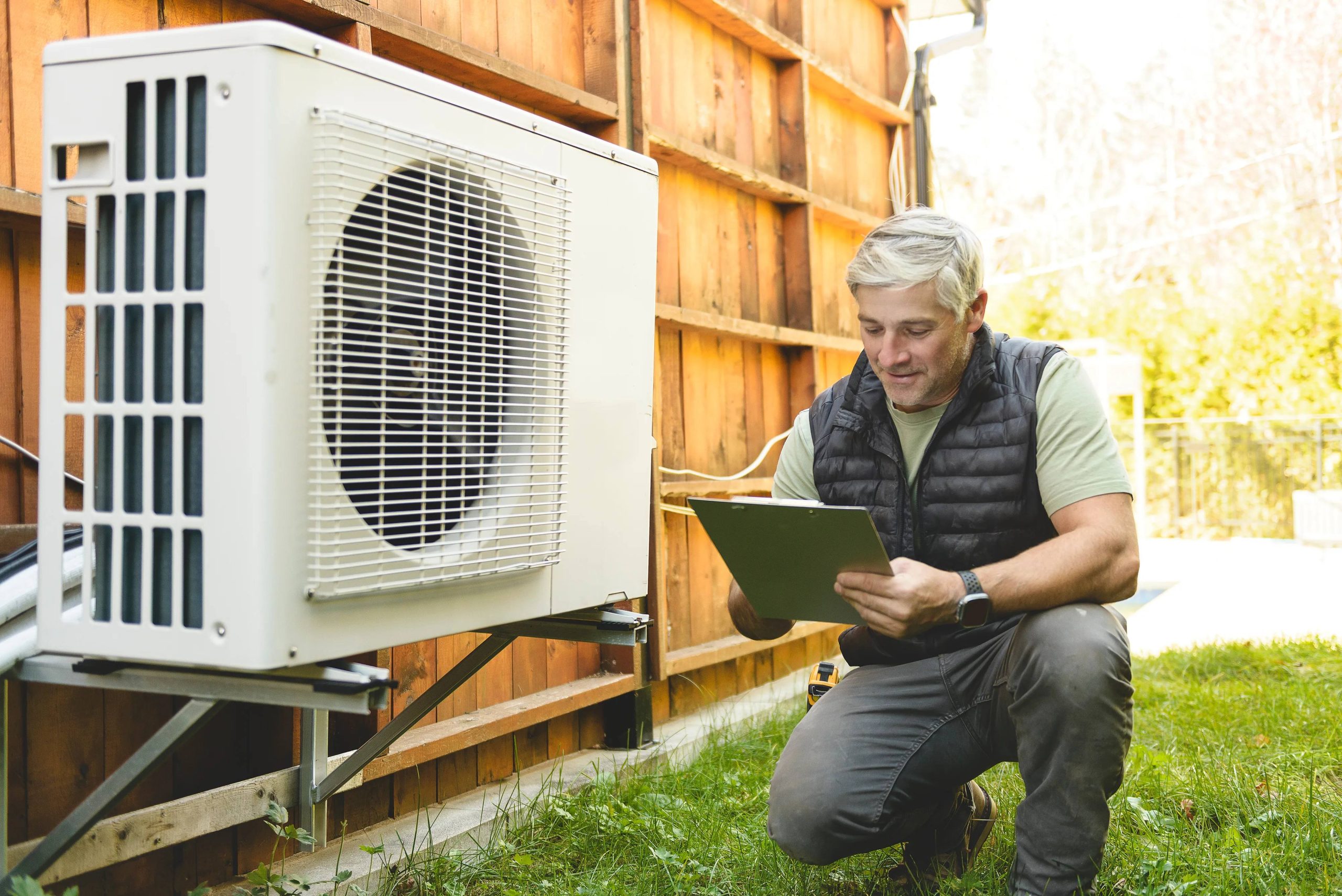
The Daikin Altherma 3 is a modern air source heat pump designed to perform well in UK conditions. It can provide space heating, hot water, and in some cases cooling, all from a single system.
Benefits
- • High energy efficiency, even in colder temperatures
- • Lower running costs compared to traditional boilers
- • Reduced emissions and improved energy independence
- • Compatible with smart controls and time-of-use energy tariffs
Things to consider
- • Higher upfront cost than conventional systems
- • Performance depends on correct sizing and setup
- • Some homes may need insulation or radiator upgrades
Cost Savings and Energy Efficiency
Heat pumps can provide long-term savings, particularly when used alongside a time-of-use energy plan. These tariffs allow electricity to be used during off-peak periods, when prices are lower and the grid is often cleaner.
Over time, this can help reduce household energy costs while supporting a more efficient and lower-emission energy system.
Installation and Heat Loss Surveys
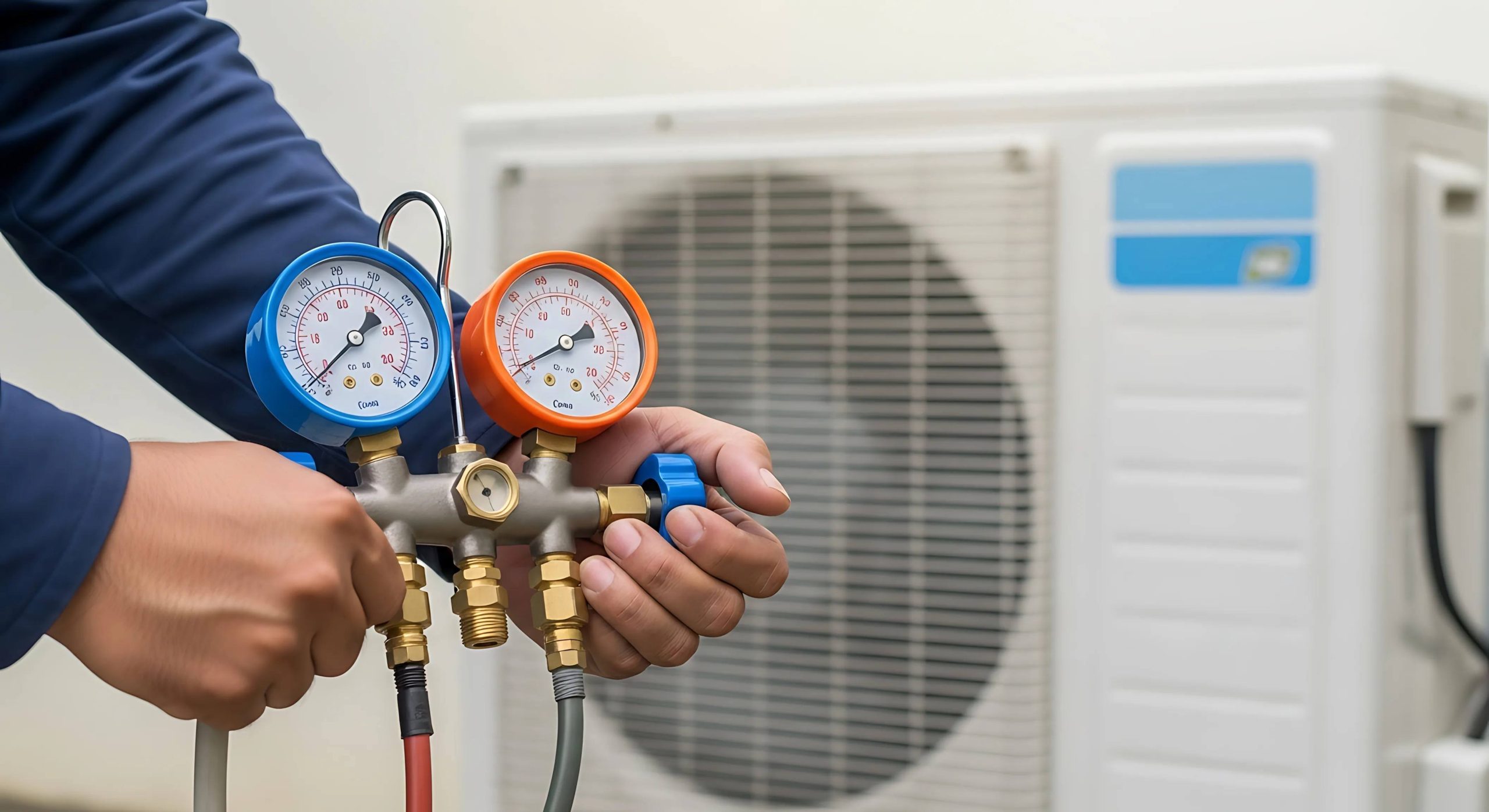
Correct installation plays a major role in how well a heat pump performs. A heat loss survey measures how much heat a home loses through walls, windows, floors, and the roof. This information is used to determine the correct system size.
A properly sized heat pump helps deliver:
- • Consistent indoor temperatures
- • Lower energy use
- • Longer system lifespan
- • Better emissions reduction
Skipping this step can result in reduced efficiency and higher running costs.

Understanding Whether Heat Pumps Are Right for You
Heat pumps aren't a one-size-fits-all solution, but they can play an important role in reducing emissions and improving energy efficiency when installed in the right conditions. Learning how they work, how they're sized, and how they interact with energy tariffs is key to making informed decisions.
Get In Touch
Have questions about heat pumps? We're here to help you make the right decision.
Contact Us